
Buying Commercial Property in Los Angeles? 8 Due Diligence Checks Worth Getting Right
Buying commercial property in Los Angeles involves more than agreeing on a price and securing financing. Title restrictions, tenant obligations, zoning limitations, environmental concerns, and existing contracts can affect a property's value, operating costs, and permitted use.
Thorough due diligence checks help buyers identify these issues before closing, verify the seller's representations, and assess whether the property suits their plans. Depending on the findings, buyers may need to negotiate revised terms, request corrective action, or reconsider the transaction.
Whether you are purchasing an office building, retail space, or an income-producing investment, these eight checks can help you make a more informed decision.
1. Verify Title, Ownership, and Recorded Restrictions
A property's physical condition does not establish whether the seller can transfer clear ownership. Begin with a preliminary title report and review recorded documents affecting the property.
Check for:
● Ownership and authority: Confirm the seller's ownership and the authority of anyone signing the purchase agreement.
● Liens and mortgages: Identify recorded claims that must be resolved or addressed at closing.
● Easements: Determine whether utility providers, neighboring owners, or other parties have rights to access or use parts of the property.
● Recorded restrictions: Review covenants and other limitations that may affect construction, access, signage, or permitted activities.
● Boundaries and access: Compare title documents with available surveys to identify encroachments or access concerns.
For example, an easement could restrict where a buyer can build an extension or affect access for deliveries. Such restrictions do not automatically prevent a purchase, but their implications should be understood before closing.
A title company can assist with title research and insurance. Legal counsel can help interpret significant restrictions and assess whether further investigation or contractual protection is appropriate.
2. Examine Existing Leases and Tenant Obligations
For an income-producing property, leases influence rental revenue, operating expenses, and the buyer's control over the building. A rent roll alone is insufficient; review the actual leases and related agreements.
Focus on:
● Rent and increases: Verify base rent, scheduled increases, concessions, and outstanding credits.
● Lease duration: Check expiration dates, renewal options, and early termination rights.
● Operating expenses: Determine how property taxes, insurance, maintenance, and common-area costs are allocated.
● Repairs: Establish who is responsible for structural work, building systems, and other major expenses.
● Transfers: Review restrictions on assignment, subletting, and changes in ownership.
● Defaults and disputes: Investigate unpaid rent, unresolved complaints, and notices of default.
Estoppel certificates and tenant correspondence may help confirm lease terms, payment status, and outstanding obligations. Also check how security deposits, prepaid rent, and tenant improvement allowances will be handled at closing.
A major tenant's termination right or a landlord's obligation to fund expensive improvements could materially change projected income. A commercial real estate attorney in Los Angeles can help assess lease obligations and identify documents or confirmations needed before closing.

3. Confirm Zoning and the Intended Use
A property's current use does not automatically establish that a buyer can continue operating it in the same way or introduce a new activity. Zoning rules, planning restrictions, permits, and property-specific conditions may limit future plans.
Define the intended use before completing this review. A restaurant, office, retail store, warehouse, or redevelopment project may face different requirements for occupancy, parking, signage, and construction.
For properties within the City of Los Angeles, the Department of City Planning's ZIMAS and zoning resources provide information about zoning, land-use designations, planning applications, and permit history.
Check whether:
● The intended business activity is permitted.
● A specific plan, historic designation, or overlay imposes additional restrictions.
● Existing additions and alterations have the required permits.
● Proposed renovations or changes in occupancy require further approvals.
● Parking, accessibility, and signage requirements could affect operations.
A property advertised as suitable for redevelopment may still require discretionary approvals or substantial design changes. Do not rely solely on a listing description or the seller's assurances.
Online zoning tools are a useful starting point, not a substitute for confirmation from relevant authorities. If the purchase depends on a specific use or development plan, investigate feasibility before the due diligence period expires.
4. Investigate Environmental and Physical Conditions
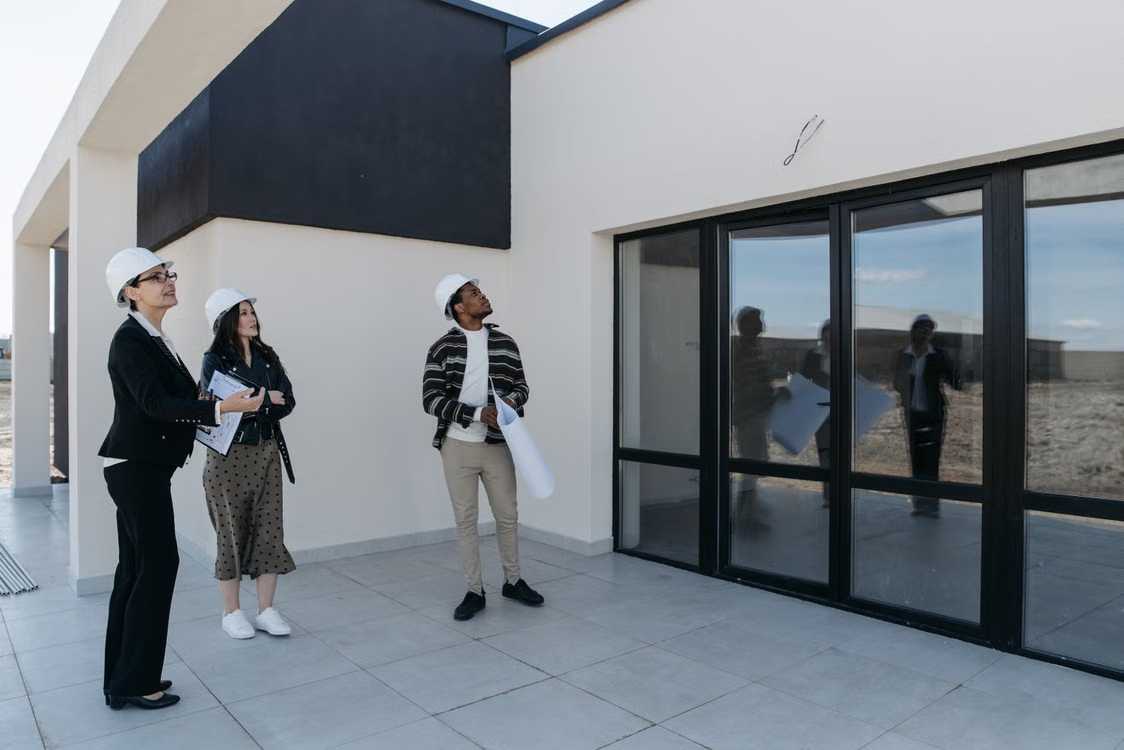
Environmental concerns and building defects can create substantial costs after acquisition. These risks deserve particular attention when a property previously housed industrial operations, vehicle repair, fuel storage, or other activities involving potentially hazardous substances.
Consider the following:
● Environmental history: Review past uses and available regulatory records for potential contamination concerns.
● Phase I Environmental Site Assessment: Engage a qualified environmental professional to identify potential environmental conditions and recommend further investigation if needed.
● Additional testing: Where concerns arise, determine whether soil, groundwater, or soil-vapour testing is appropriate.
● Hazardous materials: Investigate potential asbestos, lead-based paint, or other hazards where relevant.
● Building condition: Arrange inspections of the roof, foundation, electrical systems, plumbing, HVAC, and structural components.
The U.S. Environmental Protection Agency explains that completing All Appropriate Inquiries before acquisition is important for certain landowner liability protections under federal environmental law. Applicable requirements and timing should be confirmed with qualified professionals. See the EPA's All Appropriate Inquiries guidance.
An assessment cannot guarantee that a property is free of contamination. Its findings can, however, inform decisions about additional testing, remediation, insurance, and purchase terms.
5. Review Financing and the Purchase Agreement
Financing affects both the feasibility of an acquisition and the buyer's obligations if the transaction cannot proceed. Review proposed loan terms alongside the purchase agreement.
Confirm:
● The interest rate, fees, maturity date, and repayment terms.
● Whether the lender requires personal guarantees, additional collateral, or financial covenants.
● Conditions that must be met before funding.
● Restrictions affecting future borrowing, transfers, or leasing.
● Whether appraisal, title, environmental, or property-condition issues could delay approval.
The purchase agreement also requires careful review. Pay attention to the due diligence period, inspection rights, financing contingencies, deposit terms, seller representations, and contractual deadlines.
Understand when the deposit becomes nonrefundable and what rights you have if a significant problem emerges. An overly short review period may leave insufficient time to investigate title, inspect the property, review leases, and secure financing.
A contract attorney in Los Angeles can help assess the agreement's deadlines, inspection rights, seller obligations, and available remedies. The aim is to understand your contractual position before signing or allowing important contingencies to expire.
6. Identify Existing Contracts and Disputes
A commercial property may carry obligations beyond its leases and mortgage documents. Service contracts, construction agreements, equipment leases, litigation, and unresolved claims can affect the cost and practicality of ownership.
Request relevant documents covering:
● Property management, security, cleaning, and maintenance agreements.
● HVAC, elevator, fire-safety, and equipment service contracts.
● Construction agreements, warranties, outstanding invoices, and contractor claims.
● Equipment leases and agreements concerning fixtures or building systems.
● Pending litigation, tenant disputes, insurance claims, or notices of violation.
● Shared access, parking, or maintenance agreements with neighboring owners.
Determine whether each contract transfers automatically, requires consent, or can be terminated. Check renewal clauses, notice periods, termination fees, and unpaid amounts.
For example, an existing property management agreement may impose a termination fee if the buyer intends to change providers after closing. Unresolved contractor claims may also require investigation before the sale proceeds.
Review available tax records, utility balances, permits, and notices from relevant authorities. The purchase agreement should specify how identified obligations will be handled and which issues the seller must resolve before closing.

7. Check Permits, Building Compliance, and Capital Costs
A low purchase price may conceal significant costs required to operate a building legally or adapt it to the buyer's needs. Review available permits, occupancy documentation, inspection records, and notices of code violations.
Investigate:
● Structural defects and deferred maintenance.
● Fire and life-safety systems.
● Applicable accessibility requirements.
● Electrical capacity, plumbing, HVAC, and other essential systems.
● Unpermitted construction or alterations.
● Parking and site improvements.
● Repairs or approvals required before the intended use can begin.
Depending on the property, an architect, engineer, accessibility consultant, or contractor may need to assess specific concerns. Legal counsel can help determine how identified violations or approval gaps affect the transaction.
Prepare a realistic capital expenditure estimate. A roof nearing the end of its useful life, an outdated electrical system, or required accessibility upgrades could materially change the acquisition budget.
For redevelopment projects, assess the cost, feasibility, and timing of proposed work before relying on projected improvements. Approval delays and construction expenses can affect the investment's economics even when the purchase proceeds.
8. Assess Insurance, Taxes, and Closing Adjustments
The purchase price does not reflect the full cost of owning and operating commercial property. Buyers should assess insurance, taxes, recurring expenses, and the allocation of financial responsibilities at closing.
Obtain insurance quotes based on the property's location, condition, occupancy, and intended use. Review coverage limits, exclusions, deductibles, and lender requirements. Depending on the property, relevant coverage may include property damage, liability, business interruption, flood, or earthquake insurance.
Review property tax records as well. California property taxes can be affected by a change in ownership, so do not assume the seller's current tax bill will remain unchanged. Consult a qualified tax professional about the likely implications.
The closing statement should address applicable allocations for:
● Property taxes and assessments.
● Rent, prepaid rent, and security deposits.
● Utilities and operating expenses.
● Common-area maintenance charges.
● Insurance premiums and agreed credits.
● Outstanding invoices and other contractual adjustments.
A commercial property acquisition attorney in Los Angeles can help review contractual allocations, closing requirements, and related legal issues. Insurance brokers, lenders, and tax professionals can advise on matters within their expertise.

Commercial Property Due Diligence Checklist
Before the review period ends, confirm that you have:
● Reviewed title, liens, easements, and recorded restrictions.
● Examined leases, tenant obligations, and occupancy arrangements.
● Checked zoning against the intended use.
● Investigated environmental risks and building conditions.
● Reviewed financing terms, contingencies, and deposit provisions.
● Identified existing contracts, liabilities, and disputes.
● Assessed permits, compliance issues, and anticipated capital costs.
● Evaluated insurance, taxes, and closing adjustments.
The scope of due diligence should reflect the property's history, complexity, intended use, and identified risks. Address unresolved issues before contractual deadlines, with professional advice where appropriate.
Buying Commercial Property in Los Angeles? Get the Legal Review Right

Buying commercial property in Los Angeles requires careful consideration of ownership rights, operating costs, future use, and liabilities that may transfer at closing. Thorough due diligence cannot eliminate every risk, but it can help buyers identify significant issues while options remain available.
We at Alex Nahai Law assist businesses and investors with corporate, real estate, transactional, and related securities-law matters. We can help review purchase agreements, title-related concerns, lease obligations, and contractual liabilities for commercial property acquisitions in Los Angeles, Beverly Hills, and Century City.
Contact Alex Nahai Law to discuss your planned acquisition and the due diligence checks that may be appropriate before closing.