
Breach of Contract in California: What Damages Can a Business Recover?
Breach of Contract in California is a recurring question for owners, executives, and investors. The answer depends on the governing documents, the commercial facts, and the law that applies to the particular transaction or dispute. This guide identifies the issues worth checking before a business makes a commitment, sends a notice, or takes a position that may be difficult to reverse.
Prove the breach and connect it to an actual loss
A damages analysis begins with the contract, performance history, alleged breach, and causal connection between the breach and the claimed harm. The business should preserve the signed agreement, amendments, invoices, purchase orders, project records, and communications. Not every contractual deviation produces recoverable damages. The claim must be supported by evidence of a compensable loss rather than an unsupported estimate of what the company hoped to earn.
Expectation damages are the usual starting point
California Civil Code section 3300 generally measures contract damages by the amount that will compensate for detriment proximately caused by the breach or likely to result from it in the ordinary course of things. For example, a buyer forced to obtain substitute goods may seek an appropriate price differential and related recoverable costs. The precise measure can depend on the transaction and, for sales of goods, applicable Commercial Code rules.
Foreseeability limits remote losses
Section 3300 is not an unlimited recovery provision. Lost profits, production delays, and downstream customer losses require careful analysis of causation, foreseeability, and proof. A supplier may know a late component will shut down a production line, but that knowledge alone does not establish the amount of lost business. Businesses should document forecasts, historical margins, alternative suppliers, and what the parties knew when they contracted.
Mitigation affects the calculation
An injured business generally must take reasonable steps to avoid avoidable loss. That does not mean accepting an unreasonable substitute or incurring disproportionate expense. Evidence of prompt replacement efforts, customer communications, and documented decisions can help explain why losses continued. A claim that ignores available alternatives may be vulnerable even when the underlying breach is clear.
Read liability caps and damage exclusions closely
Commercial agreements frequently cap aggregate liability, exclude consequential damages, require exclusive remedies, or impose claim-notice periods. The scope and enforceability of those provisions require contract-specific analysis, including potential statutory and public-policy limits. A clause labeled “limitation of liability” may apply differently to indemnity, confidentiality, fraud, or gross misconduct. The entire agreement matters more than the heading.
Liquidated damages and penalties are not interchangeable
California Civil Code section 1671 generally addresses the enforceability of liquidated-damages provisions in nonconsumer commercial contracts, with important qualifications. A predetermined sum is not automatically enforceable merely because both sides signed it. The analysis includes whether the amount was reasonable under circumstances existing when the contract was made. A business should evaluate a termination fee or late-performance charge before assuming it can be collected.
Attorney fees and interest need their own basis
California generally follows the American Rule: legal fees are not automatically recoverable because a party wins a contract dispute. Civil Code section 1717 can make certain contractual fee provisions reciprocal in actions on a contract, and other statutes may apply. Prejudgment interest may be available under Civil Code section 3287 when its requirements are met. Review the agreement, claim type, and supporting calculations separately.
Build a damages file before making a demand
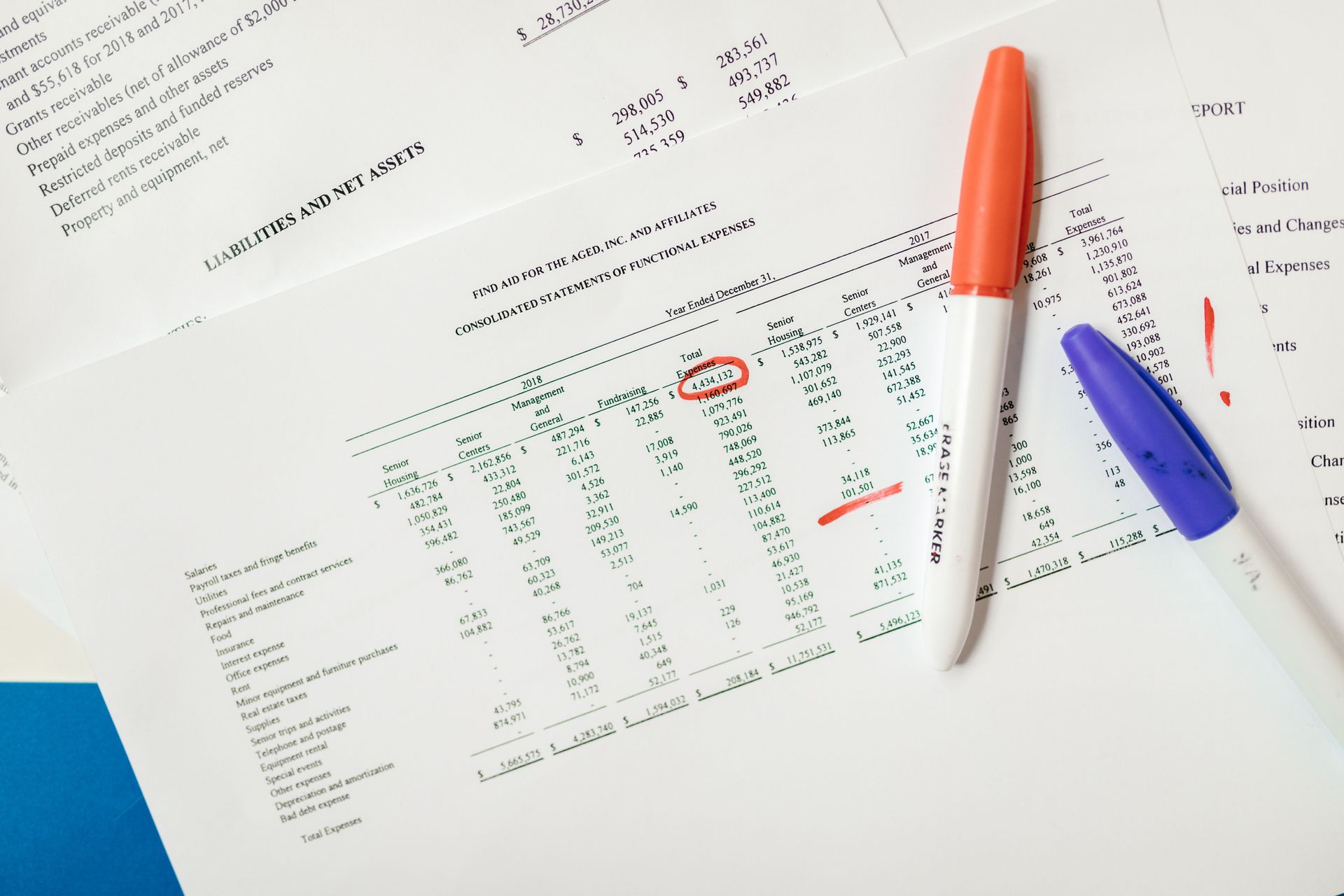
Prepare a dated timeline, damages spreadsheet, supporting invoices, lost-margin calculations, replacement costs, and evidence of mitigation. Separate amounts already paid from future projections and avoid double counting. A clear demand can identify the contractual duty, breach, remedy, cure opportunity, and requested resolution without overstating the case. Early damages analysis also informs whether litigation, arbitration, or settlement makes economic sense.
Practical checklist before taking action
Before proceeding, identify the exact entity and decision-makers, assemble operative documents and amendments, create a dated chronology, and confirm deadlines. Distinguish known facts from assumptions and seek legal review before making irreversible commitments.
Frequently asked questions
Does the same rule apply to every business?
No. Entity type, governing law, contract terms, and facts can change the result.
When should I speak with a lawyer?
Before signing, sending formal notices, transferring ownership, or committing to a significant transaction.
Discuss your California business-law matter
Contact Alex Nahai Law at https://www.alexnahailaw.com.
Attorney advertising. General information only; not legal advice or an attorney-client relationship.