
Buying Commercial Real Estate in California: Due Diligence Before You Sign
A commercial building can look like a sound investment and still be the wrong property for the buyer. The lease income may be overstated, the zoning may not permit the intended operation, or an easement may limit delivery access. Commercial real estate due diligence is the process of finding those issues while the purchase agreement still gives the buyer options.
Start with the intended use
An owner-occupant, a landlord buying an occupied building, and a developer planning a conversion face different risks. Before reviewing documents, write down what the property must accomplish: permissible uses, square footage, loading access, parking, utilities, tenant income, and any renovation or expansion. Then ask whether each diligence item confirms or undermines that plan.
The purchase agreement should establish a workable inspection period, document delivery obligations, access for consultants, deposit provisions, and the exact procedure for exercising termination rights. A buyer who orders the right inspections but misses the contractual objection deadline may lose important leverage.
Verify title, seller authority, and access
Confirm the legal owner and that the people signing for an LLC, corporation, partnership, or trust have authority. Examine the preliminary title report and the underlying recorded documents, not just the summary. Easements, deed restrictions, liens, shared-maintenance agreements, and rights of first refusal can materially affect value.
Consider an industrial buyer whose delivery trucks depend on a neighboring parcel's driveway. Physical use of that driveway does not necessarily establish a legal right for heavy commercial vehicles. A survey and review of the easement instrument can reveal whether the planned operation is feasible.
California Civil Code section 1214 addresses recording priority for qualifying conveyances, subject to its requirements. Counsel, escrow, and the title company should coordinate releases and recording rather than assume that signing the deed completes the legal work.
Confirm zoning and permitted operations
A general zoning label is not enough. Determine whether the buyer's specific use is permitted, whether conditional permits or variances are required, and whether parking, occupancy, accessibility, or environmental conditions apply. Check permit history and whether existing operations depend on a nonconforming-use status that may not support expansion.
A seller's successful operation at a site does not prove that a new owner can lawfully operate a different business there. Where the purchase depends on future approvals, allocate that uncertainty in the contract and budget.
Inspect physical condition and environmental exposure
Building systems, roof condition, drainage, seismic issues, fire protection, and electrical capacity may require specialist reports. Translate findings into repair costs and a realistic schedule, particularly if the property must be operational immediately after closing.
Environmental review is especially important for properties with industrial histories. Federal CERCLA provisions can create potential owner liability for qualifying contamination. Depending on the transaction, a properly timed Phase I environmental site assessment and additional investigation may be relevant to available landowner protections. Federal all-appropriate-inquiries rules generally require inquiry within one year before acquisition and updates to specified components within 180 days. A report alone does not guarantee a liability defense; continuing statutory conditions may apply.
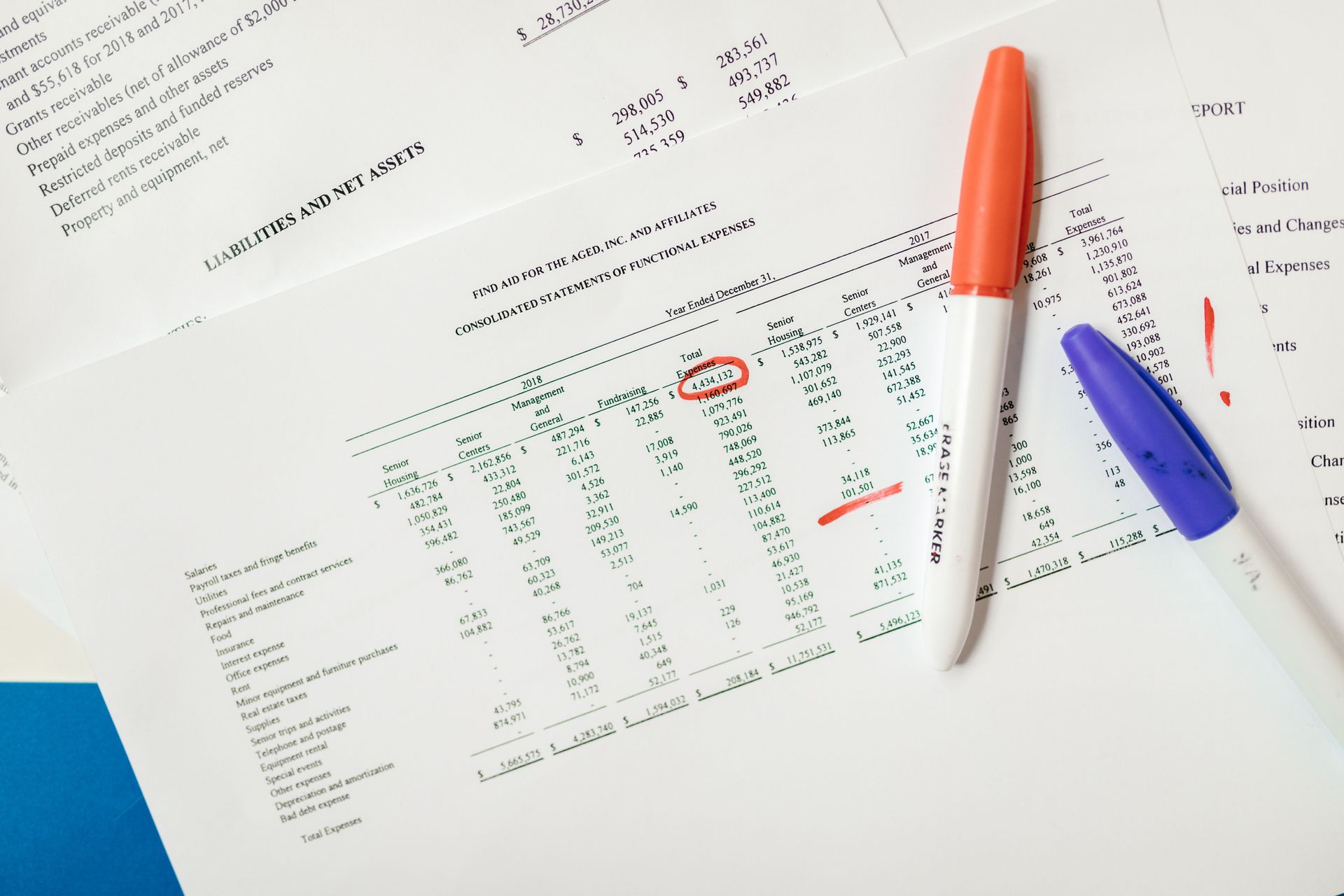
Test rental income against the actual leases
For occupied properties, compare the rent roll with signed leases, amendments, payment histories, concessions, security deposits, renewal rights, tenant improvement obligations, and any purchase or termination options. Tenant estoppel certificates may help confirm important facts, but their usefulness depends on what they say and the governing lease.
A building advertised as fully leased may have months of free rent, significant landlord repair obligations, or tenants with early exit rights. These details can change both the financing assumptions and the appropriate purchase price.
Recalculate expenses, taxes, and financing
Review insurance, maintenance, utilities, management fees, capital expenditures, and reserves. California property-tax consequences deserve separate attention because a change in ownership may affect assessed value. Do not assume the seller's historic tax bill is the buyer's future tax expense.
Coordinate lender conditions, appraisal timing, guarantees, and required reserves with contractual deadlines. The buyer should model vacancy, rate changes, and foreseeable repair costs, not just the seller's optimistic operating statement.
Build a closing checklist before diligence ends
Confirm payoff and lien-release arrangements, lease assignments, tenant notices, keys, access credentials, deposits, rent prorations, vendor contracts, insurance, and responsibility for post-closing adjustments. The final question is not simply whether the property can be purchased, but whether its verified rights and obligations support the buyer's plan at the agreed price.
Considering a commercial property acquisition in California? Alex Nahai Law can help coordinate contract review, entity authority, title and lease issues, and transaction documentation alongside the appropriate real estate, tax, and environmental professionals.
General information only; not legal advice. Reading this article does not create an attorney-client relationship.